How to Find Eco-Friendly Dog Training Solutions in Australia
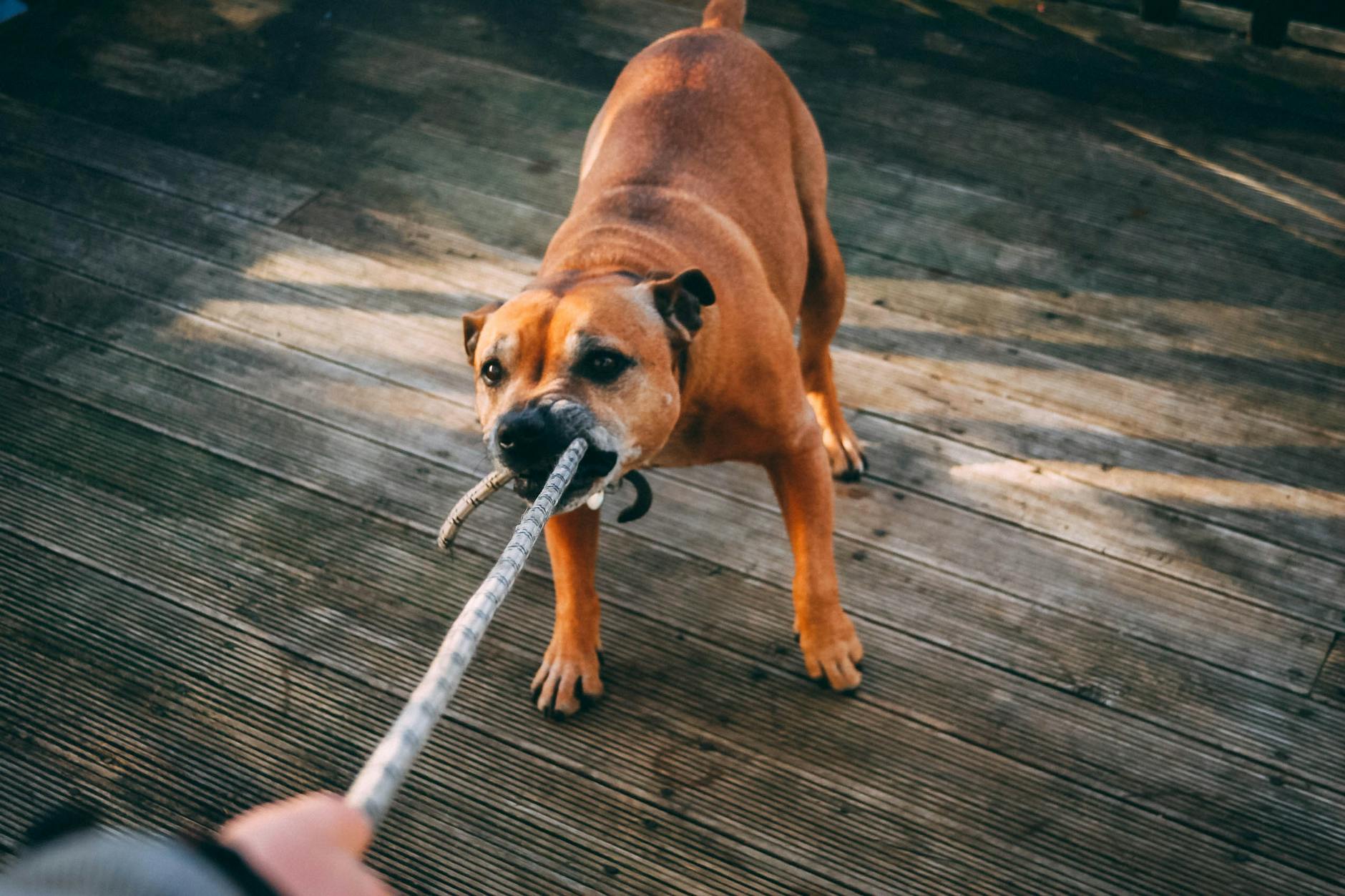
Eco-Friendly Training Methods
Positive Reinforcement Basics
As an environmentally-conscious pet owner, it's essential to start with the basics of positive reinforcement when training your furry friend. This humane approach focuses on rewarding desired behaviours with treats or affection rather than punishing undesirable actions. It's a method that aligns with the ethos of sustainability, reducing stress and promoting a harmonious relationship between you and your pet. For those in the Melbourne area, incorporating training sessions at the CERES Community Environment Park can provide a natural and enriching environment for your dog.
Clicker Training Techniques
Clicker training is another excellent eco-friendly method that builds on positive reinforcement principles. This technique uses a small device to produce a distinct sound, marking the exact moment your dog performs the desired behaviour and followed immediately by a treat. This precise communication can help enhance training efficacy without the need for other more invasive methods.
Integrating Natural Elements
To embrace sustainability fully, consider integrating natural elements into your training regimen. Incorporating outdoor spaces like Albert Park's sustainable dog parks can offer your dog the opportunity to learn and play in an eco-friendly setting. Using biodegradable treats or toys and venues that utilise renewable resources align with your commitment to the environment. Tools such as the anti bark collar, for example, should be chosen with utmost care, ensuring they embody humane and sustainable attributes. In addition, comforting items like a snuggle puppy can provide reinforcement of a safe and calm atmosphere during training periods.
Eco-Friendly Leashes and Collars
Navigating the world of environmentally conscious pet tools brings us to the significance of anti barking collar options. As we stroll through the lush spaces like Albert Park's sustainable dog parks, considering eco-friendly choices for our furry companions becomes paramount. Selecting an appropriate anti-bark collar can offer a humane approach to managing excessive barking, provided they are used with care and responsibility.
When contemplating anti-bark collars, it's crucial to ensure they align with sustainable principles. Look for products crafted from eco-friendly materials like recycled fabrics or biodegradable elements. This not only minimizes environmental impact but also reflects our commitment to treating pets ethically. The design should prioritize the well-being of the animal, hence avoiding any discomfort or stress that might arise from harsher training methods.
Key factors to examine include:
- Materials: Opt for collars made from sustainable resources.
- Functionality: The collar should provide adjustable settings to suit your pet's particular behavioural needs.
- Manufacturer's Credentials: Companies with eco-certifications can assure ethical production methods.
While technologies like anti bark collars offer quick fixes, they must complement broader training strategies focusing on positive reinforcement. For those residing in Melbourne, accessible resources, such as advice from trainers familiar with the ethos of CERES Community Environment Park, can guide the adoption of solutions that respect both your pet's needs and the environment. This holistic approach ensures the harmony between a conscious lifestyle and effective pet care.
Supporting Local and Ethical Trainers
Finding Local Ethical Trainers
As an environmentally conscious pet owner, it's crucial to ensure that your dog receives training that aligns with humane and ethical standards. In Melbourne, consider trainers who adopt eco-friendly practices and sustainable methods. Use community boards at places like the CERES Community Environment Park to seek recommendations for local trainers committed to ethical dog training. Trainers who emphasize positive reinforcement and shun harmful techniques align with the values at the heart of sustainability.
Evaluating Trainer Credentials
When assessing potential trainers, consider their qualifications and experience. A credible trainer should have certifications from reputable organizations, reflecting their commitment to humane practices, such as using bark collars responsibly. The right trainer should be equipped to address issues without compromising their principles. Checking certifications can assure you of their knowledge in sustainable and ethical training techniques, crucial for the well-being of your pet.
Assessing Training Philosophies
To ensure your dog's training aligns with your eco-conscious values, engage with trainers about their philosophies. A trainer who values sustainable practices will likely incorporate training collars dogs ethically and focus on holistic approaches. Visit community hubs like Albert Park's sustainable dog parks to observe trainers in action and discuss the principles guiding their methods. This offers insight into their commitment to maintaining an ethical, eco-friendly ethos, ensuring your choices uphold your dedication to both humane treatment and environmental preservation.
Incorporating Technology Sustainably
Eco-Friendly Training Apps
In Melbourne’s thriving eco-conscious community, sustainable tech solutions can be invaluable for pet owners like Tahlia. Applications designed for training not only offer convenience but also align with eco-friendly values when they aim to reduce the need for physical materials. Look for apps that track progress, offer training tips, and reduce paper waste by replacing paper manuals entirely. While using these resources, pet owners are encouraged to focus on positive reinforcement to create a harmonious bond with their pets.
Online Training Course Options
In the quest for effective training methods, online courses stand out as an eco-friendly alternative to in-person classes. These programs offer the benefit of learning from home, eliminating the need for travel and thus reducing carbon emissions. They also provide a range of humane training techniques, like those promoted by instructors at CERES Community Environment Park. Such courses typically cater to various skill levels, ensuring that you can find one that suits your needs and Luna’s, without compromising on environmental values.
Wearable Tech for Dogs
Wearable tech is gaining traction among environmentally-conscious dog owners, offering innovative solutions like the hidden dog fence. These devices create virtual boundaries without the need for physical installations, reducing environmental impact. However, selecting ethical options is crucial. Opt for models that align with sustainable practices, ensuring no harm comes to pets through harsh methods such as electric collars dogs. When integrated thoughtfully, these technologies support humane training practices and contribute positively to a pet's well-being.